Midori Valdivia: NYC's New TLC Commissioner
Published on January 15, 2026
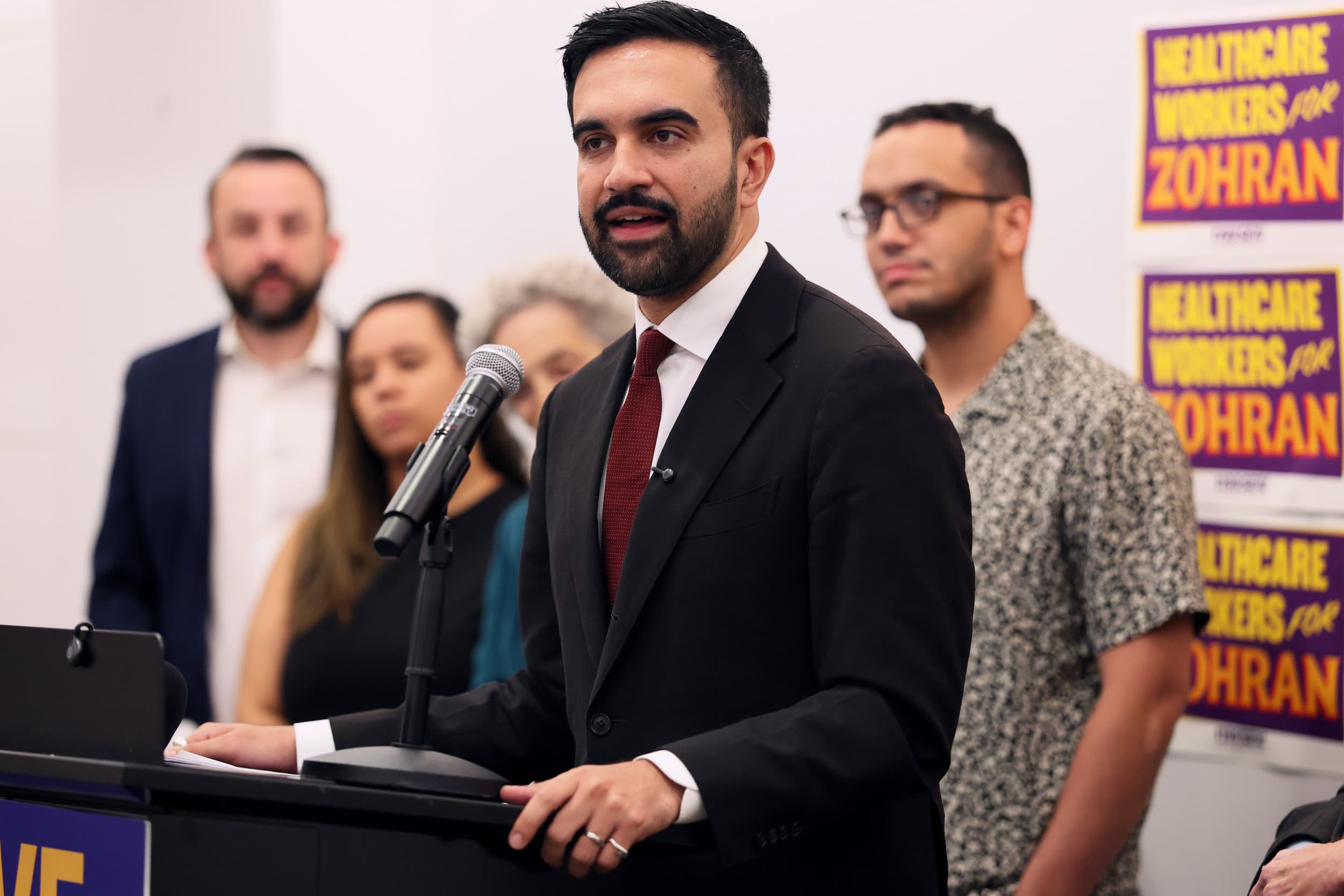
Mayor Mamdani nominates transportation veteran Midori Valdivia as TLC chair. Learn how her appointment could reshape NYC's taxi and rideshare landscape.
A New Era for NYC's Taxi and Limousine Commission
On January 13, 2026, Mayor Zohran Mamdani made a significant announcement at LaGuardia Airport that will reshape the landscape for NYC's TLC drivers, yellow cab medallion owners, and the rideshare industry. He nominated Midori Valdivia as the next chair and commissioner of the Taxi and Limousine Commission, replacing David Do, who was appointed by former Mayor Eric Adams in 2022.
This nomination comes at a critical moment for the transportation industry in New York City. With more than 200,000 TLC-licensed drivers operating over 115,000 vehicles including yellow taxis, Uber, Lyft, and other for-hire vehicles, the role of TLC commissioner has never been more consequential. For drivers struggling with debt, navigating regulations, and adapting to industry changes, Valdivia's appointment represents both opportunity and uncertainty.
Who Is Midori Valdivia?
Midori Valdivia, 42, is a seasoned transportation policy expert with deep roots in New York City's transit ecosystem. Her professional journey began at the Port Authority of New York and New Jersey, where she worked as a senior advisor to the executive director for six years. This foundational experience in one of the nation's most complex transportation networks gave her invaluable insight into how massive transit systems operate and serve millions of people daily.
From 2015 to 2017, Valdivia served as the deputy commissioner for finance and administration at the TLC. During her tenure, she made what Mayor Mamdani described as historic strides in expanding accessibility across our taxi fleet. This prior experience at the TLC means she understands the agency's operations, budget, and regulatory framework intimately. She knows the challenges facing drivers, the mechanics of licensing, and the complex relationship between the commission and the transportation ecosystem.
More recently, Valdivia has served on the Metropolitan Transportation Authority (MTA) board, where she earned a reputation as a leading transportation policy wonk. During MTA public meetings, she demonstrated deep expertise in transit policy, earning respect from colleagues and advocates. She currently serves as the chief operating officer at the Coro New York Leadership Center, an organization focused on developing civic leaders in New York.
Valdivia is also a vocal advocate for congestion pricing, having written opinion pieces defending the controversial toll program as a way to make NYC streets safer. This position signals her willingness to implement bold policy changes, though it may also indicate potential friction with drivers concerned about costs.
Mayor Mamdani's Vision for TLC Leadership
Mayor Mamdani's choice of Valdivia is deeply rooted in his own history as a fierce advocate for taxi driver rights. As a state assemblyman, Mamdani participated in a hunger strike with taxi drivers in 2021, demanding debt relief for those crushed by the yellow cab medallion crisis. His activism directly led to then-Mayor de Blasio implementing a debt payment cap for struggling drivers. This credibility with the driver community positions Mamdani to demand accountability from his TLC commissioner.
At the LaGuardia Airport press conference, Mamdani stated: "From City Hall, we will deliver meaningful change in the lives of the working people, too often forgotten by our politics, and in the day-to-day existences of the taxi drivers who deserve a forceful champion at the TLC. That champion, my friends, is the woman to my left, Midori Valdivia."
This framing is important for TLC drivers. Mamdani is positioning the TLC leadership as part of his broader commitment to worker advocacy. He has assembled a transit-focused cabinet including Julia Kerson as deputy mayor for operations and Mike Flynn as DOT commissioner, creating what some observers call a "deep bench" of transportation expertise across City Hall.
What Valdivia's Appointment Means for Yellow Cab Medallion Owners
The yellow cab medallion crisis has plagued NYC's taxi industry for years. Many drivers took on massive debt to purchase medallions at inflated prices before the Uber and Lyft market collapsed values. Some medallions that sold for over $1 million now trade for a fraction of that amount. Suicides among medallion owners and a wave of debt-related bankruptcies have made this a humanitarian crisis alongside an economic one.
Valdivia's previous work expanding accessibility in the taxi fleet suggests she understands the industry's challenges. Her appointment under a mayor who personally fought for medallion holder debt relief indicates that yellow cab driver concerns will receive serious consideration at the highest levels of city government.
However, her strong support for congestion pricing and transit modernization could mean she prioritizes broader city transportation goals alongside driver welfare. This may require Valdivia to balance medallion holder interests with the city's environmental and congestion reduction objectives. Drivers should expect conversations about fare structures, vehicle requirements, and potentially stricter emissions standards.
The Rideshare Driver Perspective
For the estimated 84,000+ Uber and Lyft drivers licensed in NYC, Valdivia's appointment brings different implications. Her background suggests she understands the distinction between traditional yellow cab economics and the rideshare model. During her TLC tenure, she worked on expanding accessibility, which could indicate support for reasonable regulations that don't unnecessarily burden driver income.
However, there are concerns. Valdivia's advocacy for congestion pricing and her reputation as a transit modernization advocate could position her to implement policies that increase costs for rideshare drivers, such as:
- Stricter vehicle emissions standards requiring newer or electric vehicles
- Increased licensing fees to fund city transportation initiatives
- Congestion pricing implementation that affects driver revenue
- Stricter accessibility requirements that might increase operational costs
As TLC commissioner, Valdivia will set fare rates, enforce driver and vehicle standards, and issue fines for violations. These powers directly affect driver income and operational requirements. Drivers should monitor her early policy announcements closely.
TLC Car Rental Fleets and Valdivia's Impact
The TLC car rental fleet industry serves thousands of drivers who lease vehicles from private companies. This sector operates in a complex regulatory environment where the TLC must balance protecting driver welfare against allowing businesses reasonable returns on investment.
Valdivia's appointment could impact this sector in several ways. Her emphasis on accessibility suggests she may push for stricter standards requiring rental fleets to maintain higher quality vehicles and more transparent pricing. Her experience managing TLC finances could lead to closer scrutiny of rental agreements and predatory leasing practices.
However, her pragmatic approach to transportation policy suggests she understands that rental fleets serve an important function. Rather than punitive regulations, she may implement transparent pricing requirements and driver protections while preserving the business model.
Electric Vehicles and the Future Regulatory Landscape
One of the most significant challenges facing TLC drivers is the push toward electric vehicles (EVs). Mayor Mamdani has committed to making NYC's public buses fast and free, which suggests an administration focused on sustainable transportation. Valdivia's advocacy for congestion pricing indicates she supports policies that encourage EV adoption.
TLC drivers should expect Valdivia to push for EV requirements or incentives. This could include:
- Accelerated timelines for EV adoption in the for-hire vehicle fleet
- Tax incentives or requirements for drivers to purchase electric vehicles
- Charging infrastructure development at major hubs like LaGuardia, JFK, and Newark airports
- Emissions testing standards that make older vehicles progressively more expensive to operate
While EV adoption is ultimately beneficial for the environment and drivers' long-term fuel costs, the transition period requires careful management. Drivers struggling with debt or operating on thin margins need adequate support during this transition.
Autonomous Vehicles and Long-Term Implications
Although not explicitly discussed in Valdivia's appointment coverage, her transportation background means she has experience with autonomous vehicle technology discussions at the MTA and Port Authority levels. As TLC commissioner, she will eventually need to establish policy around autonomous vehicles (AVs) as they become commercially viable in NYC.
Valdivia's appointment suggests this conversation will be approached with technical expertise and policy sophistication. However, for current TLC drivers, AV regulation remains a longer-term concern. The immediate focus will be on current operational challenges.
Support from the Taxi Driver Community
Bhairavi Desai, executive director of the New York Taxi Workers Alliance, endorsed Valdivia's appointment, stating: "Our brother, Mayor Mamdani fought in the trenches for economic justice alongside taxi drivers before he became mayor. Today, he delivers on his commitment to uplifting the 180,000 New Yorkers who earn their living as TLC-licensed drivers by nominating a public servant who champions workers."
This endorsement is significant. The New York Taxi Workers Alliance represents thousands of drivers and has been central to fighting for debt relief and better working conditions. Their support suggests they believe Valdivia will listen to driver concerns and advocate for their interests.
What Drivers Should Watch For
As Valdivia's nomination moves to City Council for confirmation, TLC drivers should monitor several key areas:
1. Her confirmation hearing testimony regarding medallion holder debt, vehicle requirements, and fare structures
2. Early policy announcements about electric vehicle timelines and congestion pricing implementation
3. Budget priorities at the TLC, particularly regarding driver assistance programs and vehicle emissions standards
4. Her appointment of deputy commissioners who will manage specific TLC functions like licensing, enforcement, and finance
5. Relationship building with the taxi driver community through town halls and driver forums
Looking Forward: A Commissioner Who Knows the System
Midori Valdivia brings something valuable to the TLC role that external appointees often lack: she has already worked inside the commission and understands its complex operations. She knows how the agency functions, its budget constraints, and the competing interests it must balance.
Under Mayor Mamdani's leadership, which has genuine credibility with taxi workers, Valdivia will be expected to champion driver interests while managing the broader transportation goals of a growing city. This is no easy task, but her transportation background and prior TLC experience suggest she's equipped to handle it.
For the nearly 180,000 TLC drivers across yellow cabs, Uber, Lyft, and other for-hire vehicles, Valdivia's appointment represents a shift toward technocratic transportation policy married with political commitment to driver welfare. Whether this combination delivers meaningful improvement depends largely on how she uses her authority and listens to the drivers she regulates.
As Valdivia herself said at the LaGuardia announcement: "Transportation is freedom. How we move, how we navigate this great city of ours, it's our lifeline. It's critical. It's essential." Drivers will be watching closely to see if her actions match this sentiment.